
Think about the brands you instantly recognise without seeing their name. That is the power of graphic design in branding, and it plays a far greater role in business success than many organisations realise.
In a crowded digital space where audiences make split-second decisions, visual presentation is often the first and most lasting interaction people have with a brand.
Graphic design in branding goes beyond visual appeal; it shapes perception, communicates values, and influences how a brand is remembered. From the moment a potential customer lands on a website or picks up a product, design elements quietly tell a story about professionalism, credibility, and relevance.
When these elements are intentional and consistent, they create clarity and confidence. When they are not, even strong products or services can struggle to stand out.
This article explores how strategic graphic design builds a strong brand presence and why it should be treated as a core component of any branding strategy, not an afterthought.
What Is Graphic Design in Branding?
Table of Contents
Graphic design in branding refers to the deliberate use of visual elements to communicate a brand’s identity, values, and positioning consistently and recognizably.
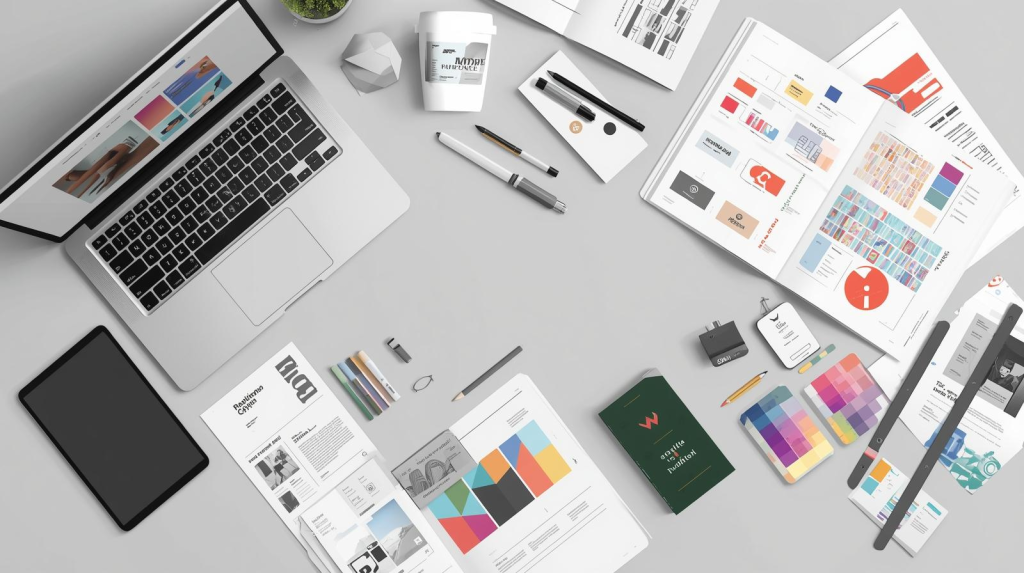
It goes beyond creating attractive visuals; it is about designing assets that support how a brand wants to be perceived in the market. This includes logos, colour systems, typography, imagery, layout styles, and iconography, all working together as a unified visual language.
Unlike standalone graphic design, which may focus on one-off materials, graphic design in branding is strategic and long-term. Every design decision is guided by the brand’s personality, target audience, and business goals.
For example, a financial brand may prioritise clean layouts and restrained colour palettes to signal trust, while a creative brand may lean into expressive typography and bold visuals.
When executed correctly, graphic design in branding creates visual cohesion across websites, social media, packaging, and marketing materials, strengthening brand recognition and reinforcing brand identity at every customer touchpoint.
Why Graphic Design Is Critical to Brand Recognition
Graphic design in branding is important to brand recognition because it creates the visual cues that allow audiences to instantly identify and recall a brand across channels. When consistent visual elements such as logos, colour schemes, and typography are used strategically, they become mental shortcuts that trigger familiarity and preference in the mind of the consumer. According to research, consistent use of visual branding elements can increase brand recall by up to 80%, demonstrating how design directly strengthens recognition and retention.
This effect is not accidental. Humans process visual information far faster than text or voice, and repeated exposure to a consistent visual identity reinforces memory and association. Well-crafted graphic design also differentiates a brand from competitors, embedding distinct visual characteristics that consumers can recognise even in cluttered environments.
In practice, this means that investment in strategic graphic design for branding is not just about aesthetics; it underpins how a brand is perceived, remembered, and chosen by target audiences, making design a foundational driver of visibility and long-term presence.
The Impact of Graphic Design on Customer Trust and Loyalty
Imagine encountering a brand for the first time through its website. The layout feels cluttered, the colours clash, and the typography looks inconsistent. Even before reading a single line of copy, doubt sets in. Now contrast that with a brand whose visuals feel polished, consistent, and intentional. That immediate sense of confidence is not accidental; it is the result of strategic graphic design in branding.
Graphic design plays a direct role in building brand trust by signaling professionalism, reliability, and attention to detail. When visual branding is consistent across websites, social media, packaging, and marketing materials, customers feel reassured that the brand is credible and stable. Over time, this consistency fosters familiarity, which in turn builds comfort. Customers are far more likely to return to brands that feel recognisable and dependable.
Beyond trust, strong visual branding supports customer loyalty by creating emotional connections. Colours, typography, and imagery evoke feelings that customers begin to associate with positive experiences. When those visuals remain consistent, each interaction reinforces the relationship, turning one-time buyers into long-term advocates.
5 Common Graphic Design Mistakes That Weaken Brand Perception
- Inconsistent visual identity across platforms
Using different colours, fonts, or logo variations on websites, social media, and marketing materials can weaken your brand recognition. Inconsistent graphic design in branding confuses audiences and weakens trust, making the brand harder to recognise and remember.
- Designing without a clear brand strategy
When you make graphic design decisions in isolation, visuals may look appealing but fail to reflect the brand’s values, personality, or positioning. This disconnect leads to a weak or unclear brand identity.
- Overcomplicating visual elements
Cluttered layouts, excessive colours, or overly decorative typography can overwhelm your users. Effective visual branding prioritises clarity and focus, ensuring key messages are easy to understand and visually accessible.
- Ignoring brand consistency guidelines
When you fail to document and follow brand guidelines, it’ll often result in fragmented design execution, especially as teams grow or outsource work. This inconsistency undermines long-term brand cohesion.
- Using outdated or generic design assets
Relying on stock visuals or outdated design styles can make your brand feel irrelevant or unoriginal, reducing credibility and limiting emotional connection with your audience.
How to Use Graphic Design Strategically to Strengthen Your Brand
- Start with clarity, not visuals
Before choosing colours or fonts, you need a clear understanding of what your brand stands for. If you have ever redesigned a logo only to feel it “still doesn’t fit,” the issue is usually strategy, not execution. Graphic design in branding works best when it is grounded in purpose.
- Design with your audience in mind
What feels visually appealing to you may not resonate with your customers. When you align visual branding with your audience’s expectations, your designs feel familiar, relevant, and trustworthy from the first interaction.
- Build consistency into every touchpoint
Think about the last time you recognised a brand instantly on social media without seeing its name. That recognition comes from consistent graphic design applied across platforms, channels, and formats.
- Review and evolve intentionally
Strategic design does not mean frequent redesigns. It means knowing when your visuals no longer reflect who you are and making thoughtful updates that strengthen, not confuse, your brand presence.
Conclusion
Graphic design in branding is not a decorative add-on; it is a strategic asset that shapes how your brand is seen, remembered, and trusted. Every visual choice you make communicates something about your credibility and values. When design is intentional and consistent, it strengthens brand recognition, builds trust, and supports long-term loyalty, positioning your brand to stand out clearly and confidently in a competitive marketplace.