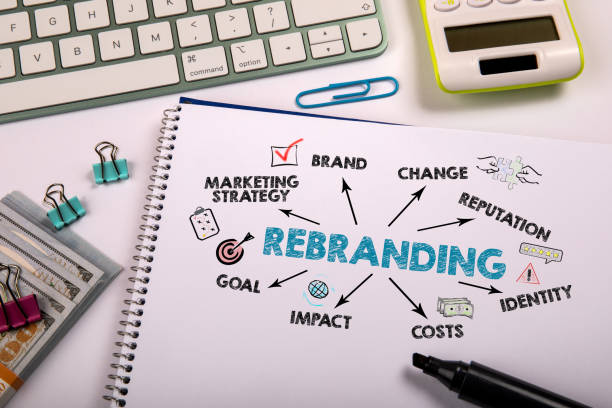

Source: Businessday
Why Branding Mistakes Can Hold You Back in 2026
Table of Contents
You might be running a good business, offering quality products or services, yet sales are slow, and people don’t take your brand seriously. In many cases, the real problem isn’t your offer; it’s the branding mistakes to avoid quietly pushing potential customers away before they ever reach out.
You can even be posting consistently on Instagram, reply messages on WhatsApp Business, and even running ads once in a while, but the case is still the same.
In Nigeria’s fast-moving digital space, first impressions happen in seconds. A prospect sees your logo, reads your bio, checks your website, or scans your social media feed and immediately decides whether to trust you or move on.
If your visuals are inconsistent, your message is unclear, or your brand doesn’t feel relatable, you lose attention to competitors who look more professional, even if they offer less.
As we move into 2026, branding is no longer optional or cosmetic. It directly affects how you’re perceived, how much people are willing to pay, and whether they choose you over the next business on their feed.
Understanding these common branding mistakes to avoid now helps you position your business for credibility, growth, and long-term relevance in the Nigerian market.
7 Common Branding Mistakes to Avoid in 2026 and Beyond
Here are 7 branding mistakes in Nigeria that you need to steer clear of;
- Treating Branding as Just a Logo
- Inconsistent Brand Identity Across Digital Platforms
- Ignoring Local Market and Cultural Context
- Neglecting Online Presence and Search Visibility
- Poor Brand Messaging and Positioning
- Not Investing in Professional Brand Assets
- Failing to Evolve with Digital Trends in 2026
Treating Branding as just a Logo
You’ve probably been there. You pay a designer to create a logo, upload it on Instagram, add it to your WhatsApp Business profile, and feel like your branding work is done. For a while, everything seems fine, until customers start asking the same questions over and over, struggle to understand what you do, or confuse your business with another brand. This is one of the most common branding mistakes to avoid, especially among Nigerian small businesses.
Branding is not just your logo; it’s how your business feels to people at every touchpoint. It’s the words you use in your captions, how you respond to DMs, the colours on your flyers, your website layout, and even how professional your invoices look. When these elements don’t align, you send mixed signals, and mixed signals reduce trust. In a market like Nigeria, where people are already cautious about who they do business with, that lack of clarity can cost you sales.
If your brand doesn’t clearly communicate who you are, what you offer, and why someone should choose you, potential customers will move on to a competitor that feels more put together. In 2026, strong branding means creating a consistent experience that makes people recognize, remember, and trust you long before they ever decide to buy.
Inconsistent Brand Identity Across Digital Platforms
You post clean graphics on Instagram, but your Facebook page looks outdated. Your website uses different colours from your logo, and your WhatsApp Business profile photo doesn’t even match any of them. When a potential customer moves across these platforms, they feel like they’re dealing with different businesses. That confusion weakens trust.
In Nigeria, people often check multiple touchpoints before committing to Instagram, Google, WhatsApp, and sometimes referrals. If your brand looks inconsistent, it raises silent red flags. Consistency helps people recognise you faster and take you seriously. When your colours, tone, visuals, and messaging align everywhere, you look established, even if you’re still growing.
Ignoring the Nigerian Market and Cultural Context
You might admire foreign brands and try to copy their tone, visuals, or messaging word for word. The problem is that what works in the US or UK doesn’t always connect here. Your audience wants to feel understood, not impressed.
If your messaging feels too distant, too generic, or out of touch with everyday Nigerian realities, people scroll past. Branding works better when it reflects how your audience thinks, speaks, and buys. That could mean using familiar expressions, realistic pricing cues, or visuals that feel local. When your brand feels relatable, trust builds faster.
Poor Brand Messaging and Positioning
If someone asks what you do and you need three paragraphs to explain it, your brand message is not clear. Many Nigerian businesses struggle here. You offer “quality services” or are “the best,” but you don’t clearly state who you help and how you solve their problem.
Your branding should answer simple questions immediately: What do you offer? Who is it for? Why should someone choose you? When your message is vague, people hesitate. Clear positioning saves time, attracts the right customers, and reduces price negotiations because people understand your value.
Neglecting Online Presence and Search Visibility
You might rely heavily on social media, but when someone searches your business name on Google, nothing credible shows up. Or worse, what shows up looks abandoned. In 2026, your online presence is part of your branding.
A weak website, no Google Business Profile, or poorly written pages signal that your business may not be reliable. According to Google, 76% of people who search for a local business on their phone visit one within a day, and many Nigerian consumers now start their buying journey with a search. If your brand is invisible or unprofessional online, you lose opportunities before conversations even start.
Not Investing in Professional Brand Assets
Using random fonts, low-quality graphics, and inconsistent templates may save money short-term, but it costs you credibility. In Nigeria, where scams are common, people judge professionalism fast.
Your visuals influence how much people are willing to pay you. Clean designs, consistent templates, and well-thought-out brand assets signal stability and seriousness. When your brand looks cheap, people expect cheap pricing. When it looks solid, they trust you with bigger budgets.
Failing to Evolve with Digital Trends in 2026
Holding on to outdated branding hurts visibility. If your brand ignores short-form video, mobile-first design, or modern content formats, you start to look irrelevant. That doesn’t mean chasing every trend, it means adapting intentionally.
Your branding should grow as your business grows. Updating visuals, refining messaging, and improving digital touchpoints show that your brand is active and aware. Stagnant brands get ignored, especially in Nigeria’s fast-moving digital space.
Conclusion
Most branding mistakes are not loud; they are subtle, repeated daily, and expensive over time. However, when you treat branding strategically, not as decoration, you build trust faster, attract better customers, and compete more confidently.
In 2026, strong branding is no longer about looking good; it’s about being clear, consistent, and credible in a market that moves fast and rewards brands that get it right.