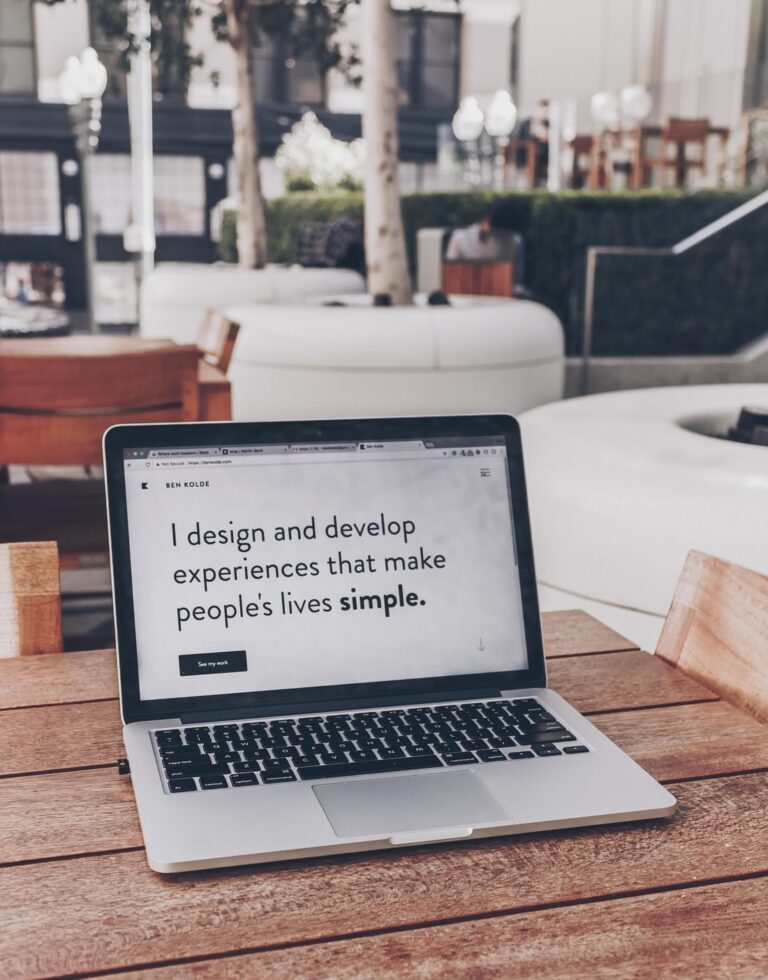

The World Has Gone Mobile, Has Your Website?
Imagine navigating a beautiful website on your laptop only to meet a jumbled site when you access it with your mobile phone. How would that make you feel?
Or let’s say, you’re browsing your favorite brand’s website on your phone, excited to check out a new product, but the page takes forever to load, the text is tiny, and you have to pinch and zoom just to find the “Buy Now” button. Frustrating, right?
Yes, that experience is exactly why responsive web design isn’t just a trend; it’s a necessity.
With over 60% of global web traffic now coming from mobile devices, your audience expects your website to look great and work perfectly on any screen.
Whether it’s a smartphone, tablet, laptop, or desktop, your site should automatically adapt and deliver a smooth experience.
At our agency, we believe that your website is your brand’s digital home, and a responsive, accessible design is the key to making everyone feel welcome. Just now
What Exactly is Responsive Web Design?
Table of Contents
Let’s break it down.
Responsive web design means creating a website that adjusts seamlessly to any screen size or device. Think of it as your website’s way of saying, “I look good everywhere.”
Instead of building separate versions for desktop and mobile, responsive design uses fluid grids, flexible images, and smart CSS media queries to make one layout that automatically reshapes itself to fit any screen.
For example, your website’s three-column desktop layout might neatly transform into a single scrollable column on a phone, keeping everything readable, clickable, and beautiful.
So, the main goal of responsive web design is simple: to ensure a consistent, user-friendly experience across all devices. This is to avoid users having to pinch, zoom, or navigate clunky interfaces.
Why Responsive Design is a Game-Changer for Modern Businesses
Now that you know what it is, let’s talk about why it matters for your business beyond just looking good.
1. Better User Experience
First impressions matter. When visitors land on your site, you want them to stay, explore, and eventually take action, not leave because the layout looks broken on their phone.
A well-designed responsive website leads to;
- Faster loading times: Users expect your site to load under 3 seconds, so once it takes longer than this, your bounce rate increases— that is, they tend to leave.
- Seamless Navigation: As we mentioned before, no pinching, zooming, or scrolling sideways to access your website content.
A responsive site ensures that buttons are easy to tap, text is readable, and navigation is intuitive across devices.
Imagine that you run a food business where users can order from your site. However, if they struggle to do that on their mobile because of bad responsive website, they’ll go to your competitors.
Responsive web design keeps users happy and increases engagement, which can lead directly to more conversions.
2. Boosts Your SEO Ranking
Google loves responsive websites. In fact, Google’s mobile-first indexing means your mobile version is the one primarily used for ranking and indexing. If your site isn’t mobile-friendly, you risk losing visibility no matter how great your content is.
One of the biggest benefits of responsive web design is better SEO performance and higher organic traffic.
3. Cost-Effective and Easy to Maintain
Instead of maintaining separate desktop and mobile versions, responsive design lets you manage just one site. That means fewer updates, fewer bugs, and a more consistent user experience across all platforms.
It’s a smart investment, having one website that works for everyone, everywhere.
Pro Tip: Test your website using Google’s Chrome Lighthouse tool to ensure cross-device consistency and check site speed.
Key Elements of a High-Performing Responsive Website

Creating a responsive site isn’t just about resizing elements. It’s about building an experience that feels effortless. Here are a few essentials we always include when developing client websites:
1. Smart Layouts
Your site’s layout should adapt fluidly. We use flexible grids and breakpoints so each section, from your header to your product gallery, rearranges itself naturally depending on screen size.
2. Mobile-Friendly Navigation
No one enjoys hunting through tiny menus on mobile. We simplify navigation with clear buttons, dropdowns, and sticky headers that make browsing smooth and intuitive.
3. Readable Typography & Scalable Images
Fonts should never require zooming in. We use scalable text and lightweight images that stay crisp and legible without slowing down load times.
4. Lightning-Fast Load Speeds
Performance matters. Slow pages lead to high bounce rates, especially on mobile. We compress images, use caching, and optimize code to keep sites fast and responsive.
5. Accessibility for Everyone
A great website should be accessible to everyone, including people with disabilities.
That means:
- Using alt text on images for screen readers.
- Maintaining a strong color contrast on your website for readability.
- Ensuring that forms and buttons are easily navigable with a keyboard.
- Providing text alternatives for visual content.
Inclusive design isn’t just the right thing to do; it also broadens your reach and improves SEO.
Responsive Design and Digital Marketing: The Perfect Pair
Your website isn’t just a digital brochure; it’s the foundation of your marketing strategy, and responsive design amplifies everything else you do.
Here’s how:
- Better Ad Performance
- Consistent Branding
- Improved Engagement
Better Ad Performance: Responsive landing pages convert better because users can easily interact with them on mobile.
Consistent Branding: When your design, graphics, and messaging look unified across devices, your brand feels more trustworthy.
Improved Engagement: Users who enjoy browsing your site are more likely to share your content, sign up for newsletters, and make purchases.
In short, your website’s design directly affects your marketing results, and responsive design ensures that experience stays strong everywhere.
5 Common Responsive Design Mistakes and How to Avoid Them
Even with the best intentions, some websites fall into common traps. Here’s what to watch out for during web development;
- Heavy images or animations slow down mobile load times, so try to avoid them as much as you can.
- Fixed layouts that don’t adapt well to smaller screens.
- Overcomplicated menus that frustrate mobile users.
- Forgetting to test across different browsers and devices.
- Focusing on visuals and neglecting responsive typography, like setting font size in pixels.
Note: Always test your site on multiple devices, like iPhone, Android, tablets, laptops, etc., before launch. What looks great on one might break on another.
How We Build Responsive Websites That Convert
At our agency, we don’t just design websites; we create digital experiences that tell your brand’s story beautifully on any device. Here’s how we do it;
- Firstly, we start with a mobile-first mindset, ensuring your site performs perfectly on smaller screens.
- We also have our design and graphics teams collaborate closely to keep your visuals consistent and engaging.
- We use trusted frameworks like Tailwind CSS and Figma prototypes to craft layouts that blend creativity with performance.
Every design goes through real-device testing to guarantee a flawless user experience.
We’ve helped clients cut bounce rates by up to 40% and increase conversion rates simply by optimizing their responsive design. It’s amazing what happens when your website starts working for your audience instead of against them.
However, at the end of the day, responsive design isn’t just about layouts; it’s about connection. It’s about making sure your customers can experience your brand clearly and comfortably, whether they’re on a 27-inch monitor or a 5-inch smartphone. Hence, building trust and leaving a lasting impression that feels both professional and human.
So the question is, does your website deliver that kind of experience? If not, we are here for you.
We specialize in responsive web development and stunning graphics that bring your brand to life on every screen.